Day 35: Sorrow Turned to Joy (John 16:16–33)
“In the world you have tribulation, but take courage; I have overcome the world.”
16:33 (NASB)
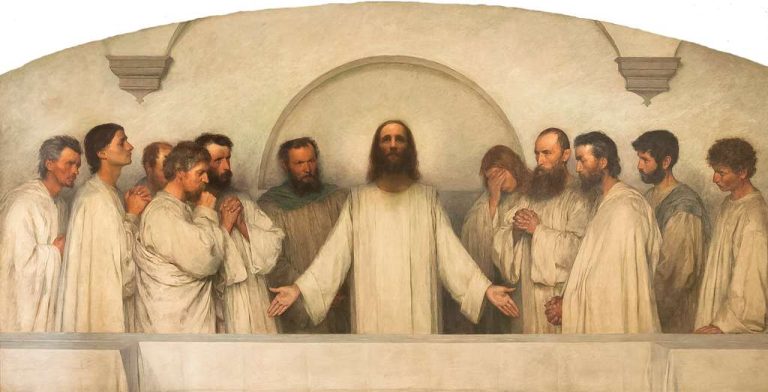
We are in the final section of the Farewell Discourse (John 14–17). These are the last words Jesus speaks to His disciples before the cross. Jesus makes an enigmatic statement in verse 16: ‘A little while, and you will see me no longer; and again a little while, and you will see me.’ The disciples erupt in confused discussion among themselves. Jesus knows their questions before they ask (v.19) — a reminder of His divine omniscience throughout the Gospel.
Rather than answer with a timeline, Jesus describes the emotional arc of what is coming: they will weep and lament while the world rejoices, but their sorrow will turn to joy. He illustrates with the image of childbirth — the combination of intense suffering and relieved joy is a common Old Testament picture of the travail God’s people must suffer before the immense relief of messianic salvation (Carson1, p.544; cf. Isaiah 26:16–21). Their sorrow will begin in hours. When they see Him again — after the resurrection — no one will be able to take their joy from them (v.22).
Verses 23–28 announce a new access to the Father in the post-resurrection era: direct prayer in Jesus’s name, with confidence that the Father loves them. ‘In that day’ — the resurrection day that inaugurates the new covenant — believers will have unprecedented access to God. Verses 29–32 reveal the fragility of the disciples’ current faith: they believe now, but their faith will fail in just a few hours. Jesus is not surprised. He has told them all this ‘so that in me you may have peace.’ The Farewell Discourse was given for that purpose. And the conclusion: ‘In the world you will have tribulation. But take heart; I have overcome the world.’
For Reflection
- Has there been a time in your life when you didn’t understand what God was doing?
- How did you feel?
- What did you do?
- Verse 23 says ‘in that day’ (after the resurrection) believers will ask directly from the Father. How does knowing Jesus has opened direct access to God change how you approach prayer?
- ‘I have overcome the world.’ How does that declaration — past tense, accomplished — give you peace in the middle of present tribulation?
- D. A. Carson, The Gospel According to John, Pillar New Testament Commentary (Grand Rapids: Eerdmans, 1991)