Day 13: Equal Honor (John 5:17–47)
“Truly, truly, I say to you, he who hears My word, and believes Him who sent Me, has eternal life, and does not come into judgment, but has passed out of death into life.”
5:24 (NASB)
The Sabbath controversy escalates when Jesus defends Himself by saying 'My Father is working until now, and I am working.' The Jewish leaders understand Him perfectly: He is claiming that God is His own Father, making Himself equal with God. Jesus does not back down from this claim. What follows is the most extensive discourse on the relationship of Father and Son in the first half of the Gospel.
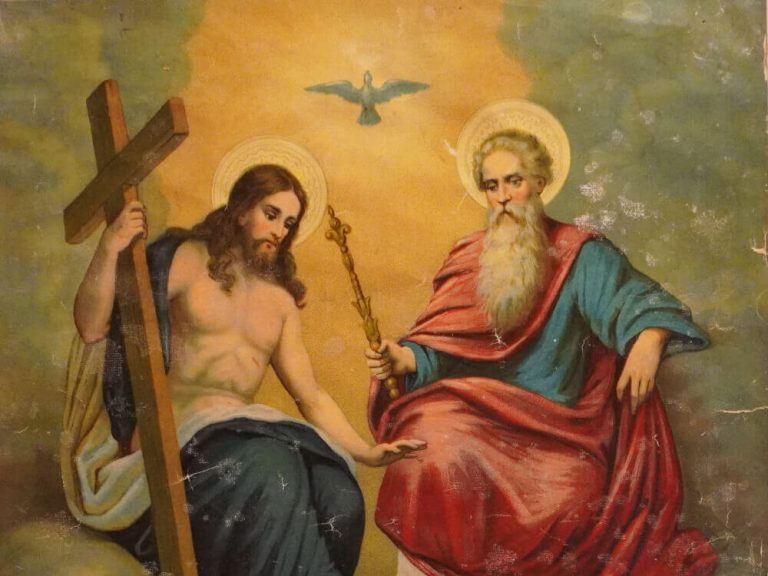
The Son does only what He sees the Father doing — perfect harmony of will and action. The Father loves the Son and shows Him all that He Himself is doing. Greater works are coming: the dead will hear the voice of the Son of God and live. The same authority that gives life also executes judgment. The Father has given all judgment to the Son so that all may honor the Son just as they honor the Father. Verse 23 is one of the most direct statements of Christ's deity in the Gospels: the one who does not honor the Son does not honor the Father who sent Him.
Jesus then turns to the question of testimony. He has four witnesses: John the Baptist, the works themselves, the Father, and the Scriptures — specifically Moses, who 'wrote of me' (v.46). The scribes search the Scriptures believing they have eternal life in them, yet they will not come to Christ, to whom all Scripture points. The refusal to come to Jesus is not an intellectual failure; it is a moral one rooted in love of human glory rather than the glory of God.
For Reflection
- Jesus says those who hear His words and believe in the Father 'will not come into judgment, but has passed from death to life' (v.24). What does it mean to have already crossed that threshold?
- 'You search the Scriptures because you think that in them you have eternal life.' How can religious activity become a substitute for relationship with Jesus?
- Jesus says the Father and Son work in perfect unity. What does this divine model of relationship suggest about partnerships and marriages?