Day 3: Behold the Lamb of God (John 1:19–34)
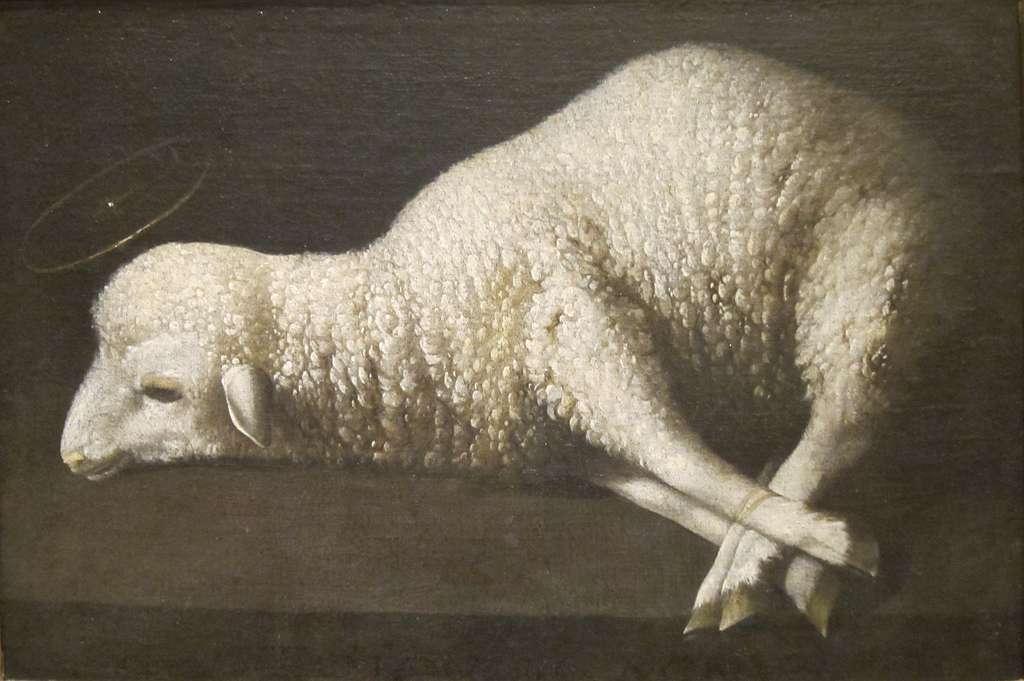
“Behold, the Lamb of God who takes away the sin of the world!”
John 1:29 (NASB)
The religious establishment sends priests and Levites from Jerusalem to interrogate John: 'Who are you?' The Baptist's response is a cascade of negations. He is not the Christ. He is not Elijah. He is not the Prophet. He identifies himself only with a voice — a quotation from Isaiah 40: 'I am the voice of one crying in the wilderness, make straight the way of the Lord.' His identity is entirely instrumental, entirely derivative.
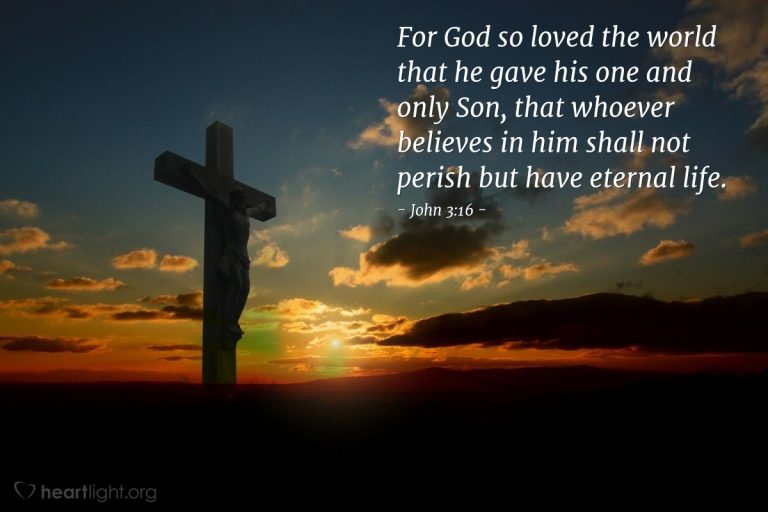
When Jesus appears in verse 29, John the Baptist offers the defining proclamation of his ministry: 'Behold, the Lamb of God, who takes away the sin of the world!' The sacrificial imagery is unmistakable. In the Passover tradition, lambs were slaughtered so that death would pass over. John is announcing that the ultimate Passover has arrived — not a lamb that covers sin for a year, but the Lamb who removes it entirely, for the whole world. The scope is breathtaking. This is not national or ethnic salvation; it is cosmic.
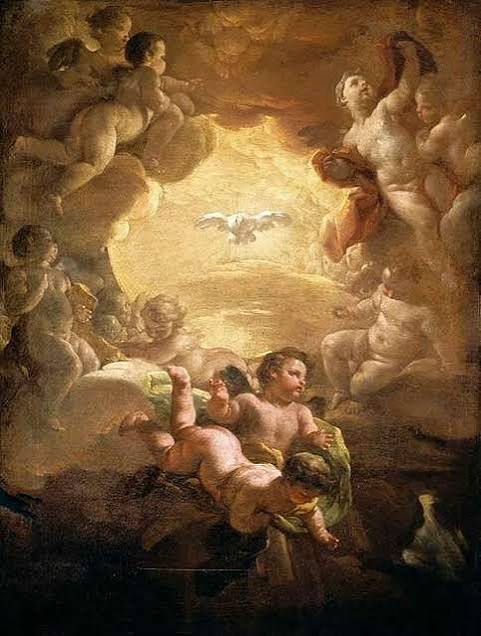
The descent of the Spirit as a dove (v.32) is the sign by which John identifies Jesus as the one who 'baptizes with the Holy Spirit.' Where the water of John's baptism is external and preparatory, the Spirit-baptism of Jesus is internal and permanent. John has seen and has testified: 'This is the Son of God' (v.34). The witness is complete. Now it is the reader's turn to decide.
For Reflection
- John the Baptist refused every title and defined himself only by what he was pointing toward. What would it look like for you to orient your identity that fully toward Christ?
- 'The Lamb of God who takes away the sin of the world' — the scope is universal, the mechanism is sacrificial. How does this shape your understanding of the cross?
- What does it mean to you that Jesus baptizes with the Holy Spirit rather than with water?
- How have you experienced that difference?