Day 2: The Word Became Flesh (John 1:6–18)
“And the Word became flesh, and dwelt among us, and we saw His glory, glory as of the only begotten from the Father, full of grace and truth.”
John 1:14 (NASB)
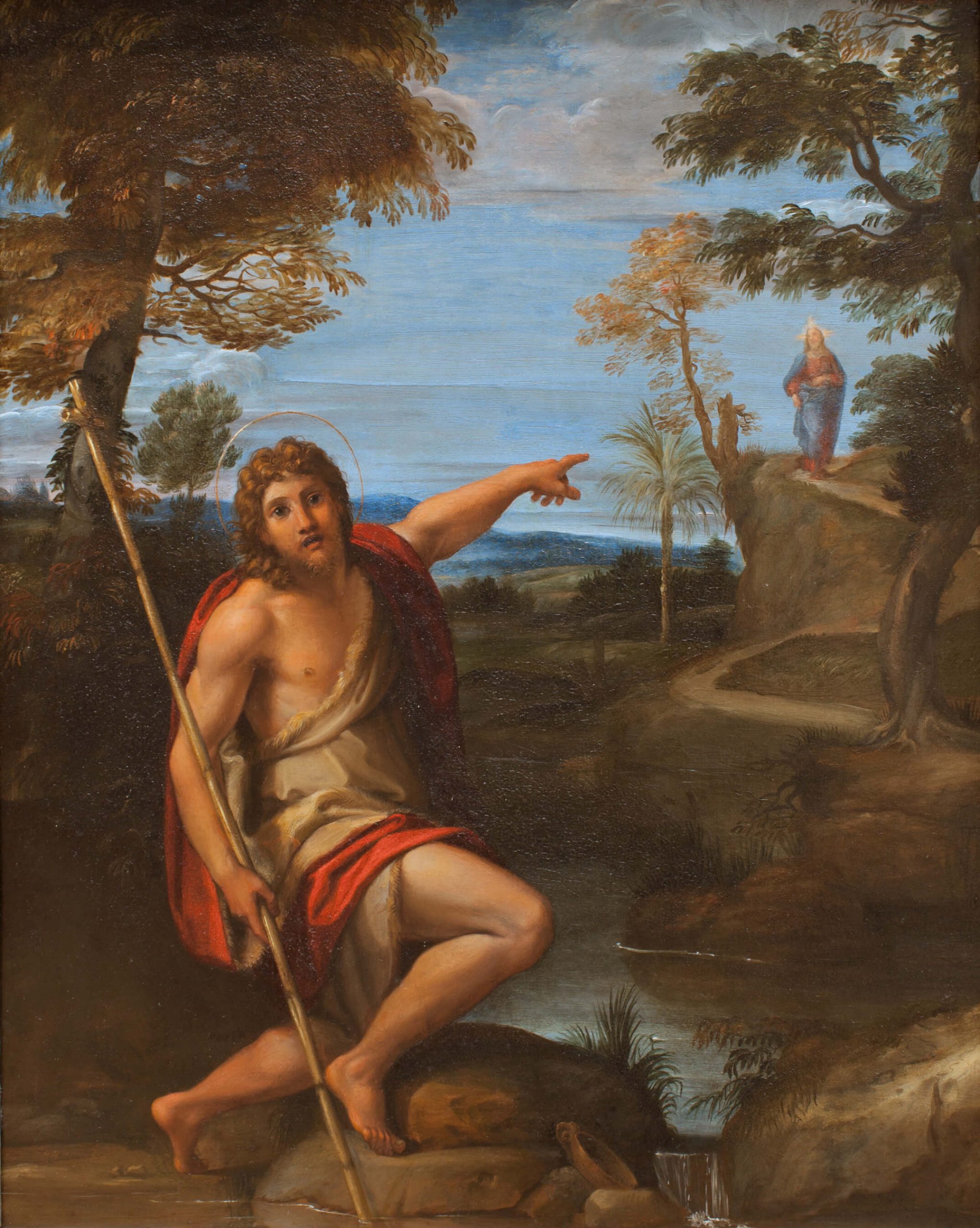
Verses 6–8 introduce John the Baptist — not as a teacher in his own right, but as a witness. He came to bear testimony to the Light so that all might believe through him. He was not the Light. This distinction matters enormously in John's Gospel, where the temptation to misidentify prophets and signs as ends in themselves is ever present. John the Baptist's entire identity is defined by what he points toward, not by what he is in himself.
The great hinge of the Prologue is verse 14: 'And the Word became flesh and dwelt among us.' The Greek word for 'dwelt' is eskēnōsen — he tabernacled among us. The echo of the wilderness Tabernacle is intentional. As God's glory once filled the tent of meeting, now the glory of God is localized in a human person. We beheld his glory, John writes — glory as of the only Son from the Father, 'full of grace and truth.' The word monogenēs (often translated 'only-begotten') carries the sense of unique, one-of-a-kind. There is no other like Him.
Verse 17 draws the great contrast that will structure much of the Gospel: 'the law was given through Moses; grace and truth came through Jesus Christ.' This is not a dismissal of the law but a fulfillment of it. Moses gave Israel forms and shadows; Jesus is the substance. Verse 18 closes the loop: 'No one has ever seen God; the only God, who is at the Father's side, he has made him known.' The Greek word for 'made known' is the root of our word 'exegesis.' Jesus exegetes the Father — He narrates God to us. This is the whole mission of the incarnate Word.
For Reflection
- The Baptist defined his entire identity by what he was not. How does knowing who you are not help clarify who you are called to be?
- The Word 'tabernacled' among us — God moving in to be near His people. What does God's desire for nearness say to you personally?
- Moses gave the law; Jesus brings grace and truth. What does it look like practically to live under grace rather than merely under law?