Day 38: Two Gardens (John 18:1–11)
“The cup which the Father has given Me, shall I not drink it?”
John 18:11 (NASB)
John frames the arrest in the Garden of Gethsemane with deliberate theological architecture. There are two gardens: Eden, the garden of paradise lost, where Adam faced a test and failed; and Gethsemane, the garden of agony, where Jesus faces His test and obeys. There are two Adams: Adam as representative man who brought sin into the world (Romans 5:19, Hebrews 12:2), and Jesus as mankind’s representative who reverses it. There are two tests: the taste of forbidden fruit that cost Adam everything, and the cup of God’s wrath that Jesus drinks willingly. In the garden of agony, Christ bought back the paradise that was lost.
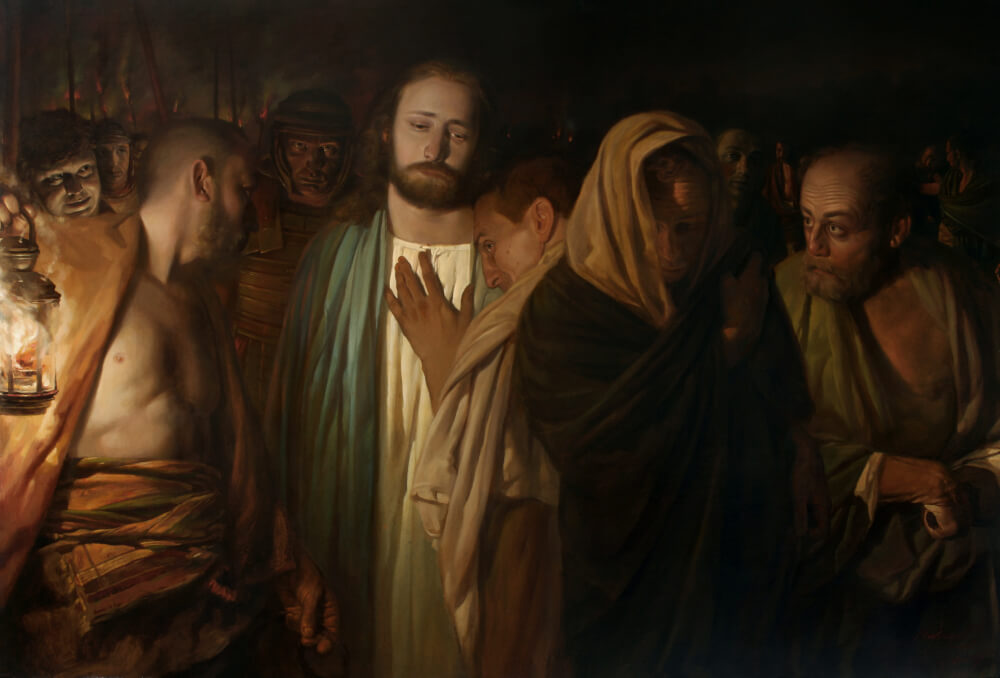
Judas arrives with a cohort — likely six hundred Roman soldiers — plus Temple officers. Jesus ‘went out’ to meet them. He is not captured; He comes forward. ‘Whom do you seek?’ ‘Jesus of Nazareth.’ He replies: ‘εγο ειμι’ — I am. They draw back and fall to the ground. This is the reaction of humans encountering the presence of God: Abram (Genesis 17:3), Moses and Aaron (Numbers 20:6), Daniel (8:17), Jehoshaphat (2 Chronicles 20:18). Jesus repeats the question and asks that the disciples be allowed to go free — John notes this fulfills His words that He would lose none that the Father gave Him (17:12).
Peter strikes Malchus with a sword and cuts off his right ear — all four Gospels record this, only John names both Peter and the slave. Jesus stops him: ‘Shall I not drink the cup that the Father has given me?’ The cup is the cup of God’s wrath — Habakkuk 2:16, Revelation 14:10, 16:19, 19:15. Jesus is not a pathetic victim. He is the obedient Son, drinking willingly on behalf of the many. He goes out purposefully, and John wants us to know it.
For Reflection
- Two gardens, two Adams, two outcomes. How does seeing Jesus as the second Adam who reverses Adam’s failure change the way you understand the Gospel?
- Jesus came forward to meet those who came to arrest Him. John takes pains to show He was in complete control. Why is it important that Jesus’s death was a voluntary act rather than a tragedy that overtook Him?
- Jesus asked Peter: shall I not drink the cup?
- Is there a cup in your life that you are being asked to drink willingly rather than resist?